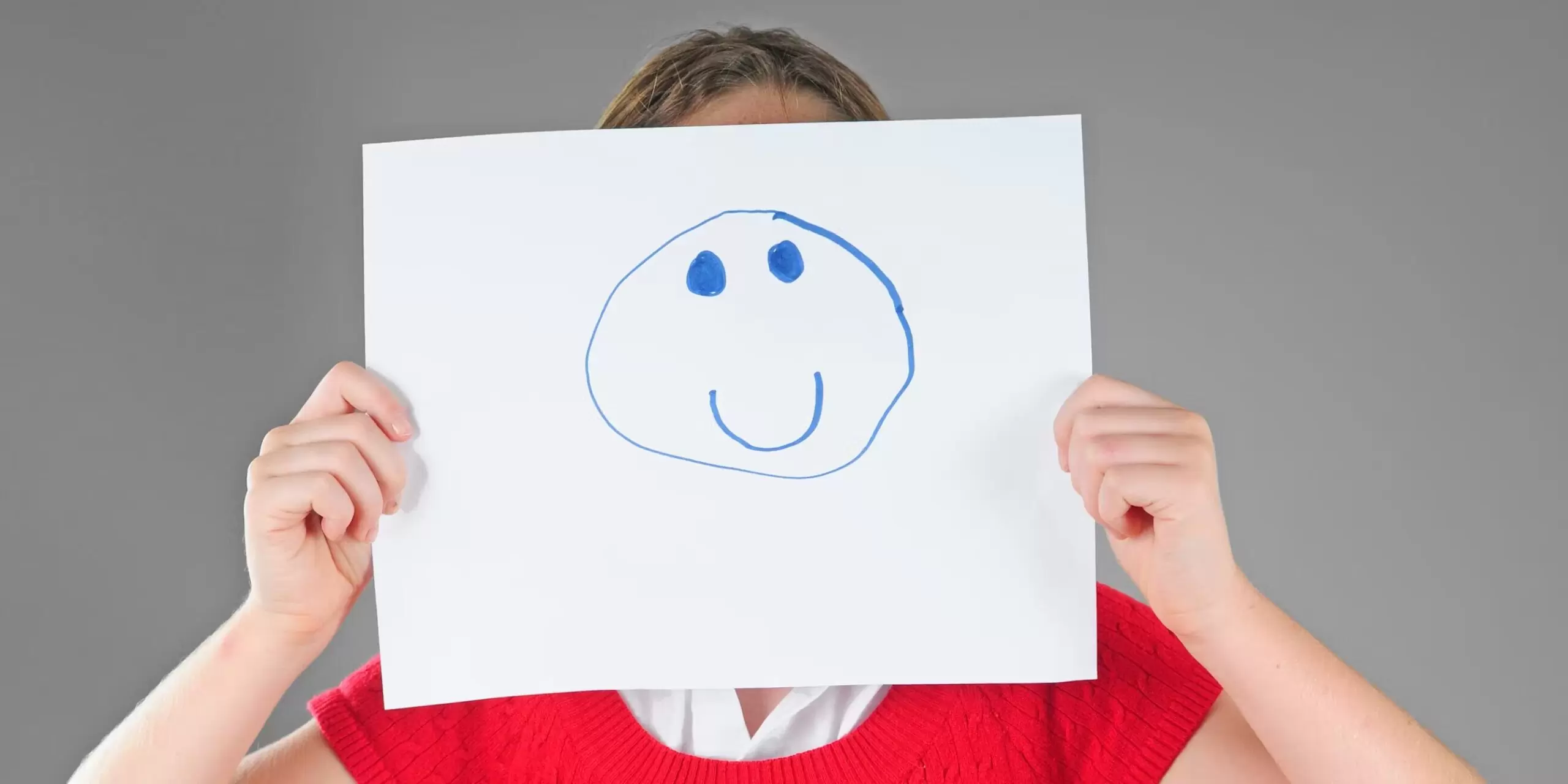
Many neurodiverse students- such as those who are autistic or have ADHD- learn to “mask” their natural traits to fit in with social expectations. Masking means hiding or changing behaviours to appear more like their peers. A student might force eye contact, stay unusually quiet, copy classmates’ actions, or suppress stimming and movement that help them feel comfortable.
While masking can help a child blend in, it often takes a great deal of energy. Many students who mask all day at school come home exhausted, anxious, or emotionally overwhelmed. This is sometimes described as “after-school burnout”, when a child finally feels safe enough to release the emotions they’ve been holding in.
It’s important to remember that masking isn’t about being deceptive. It’s a coping strategy, a way for students to protect themselves in environments that may not fully understand or support their needs. Over time, though, constant masking can lead to stress, fatigue, and a reduced sense of self-confidence.
As a school community, we can help by promoting understanding and acceptance. Simple steps make a big difference: offering quiet spaces, encouraging movement breaks, allowing flexible communication styles, and celebrating different ways of learning and interacting. When students feel accepted for who they are, they’re more likely to thrive both academically and emotionally.
Let’s work together to make our classrooms and playgrounds safe spaces where every child can be their authentic self, without feeling the need to mask. Supporting neurodiverse students in this way builds empathy, inclusion, and a stronger school community for everyone.